The Invisible Leak: How AI Agents Catch Payment Errors Before You Do
Dashboard latency is costing you revenue. Learn how proactive AI agents catch payment errors, API timeouts, and checkout friction in real-time.
Vigor
The "Invisible" Leak: How AI Agents Catch Payment Errors Before You Do
In the high-stakes world of Shopify and DTC e-commerce, what you don’t know will hurt you. Most founders rely on dashboards that show them what happened yesterday. But in 2026, the gap between a "transaction failed" and a "founder noticed" can cost thousands in lost revenue and permanent customer churn.
This is the era of Proactive BI. It’s the shift from reactive reporting to autonomous monitoring. In this guide, we’ll explore how AI agents act as the "immune system" for your business, catching payment gateway timeouts, API errors, and checkout friction in real-time—often before they even show up on your GA4 dashboard.
TL;DR
- Reactive vs. Proactive: Dashboards tell you what broke; AI agents tell you what is breaking now.
- The Payment Leak: Silent API failures and gateway timeouts can drain 3-5% of revenue if not caught within minutes.
- BI-First Intelligence: Grounding agents in real-time data allows for anomaly detection that humans can’t replicate at scale.
- Mini-Case: A 12-person DTC brand saved $4,200 in one afternoon by catching a Stripe API timeout via a BiClaw alert.
- Comparison Table: See how Proactive Agents stack up against traditional SaaS dashboards.
- Guardrails: Use human-in-the-loop (HITL) and least-privilege access to keep your monitoring secure.
The Problem: Dashboard Latency and The Silent Leak
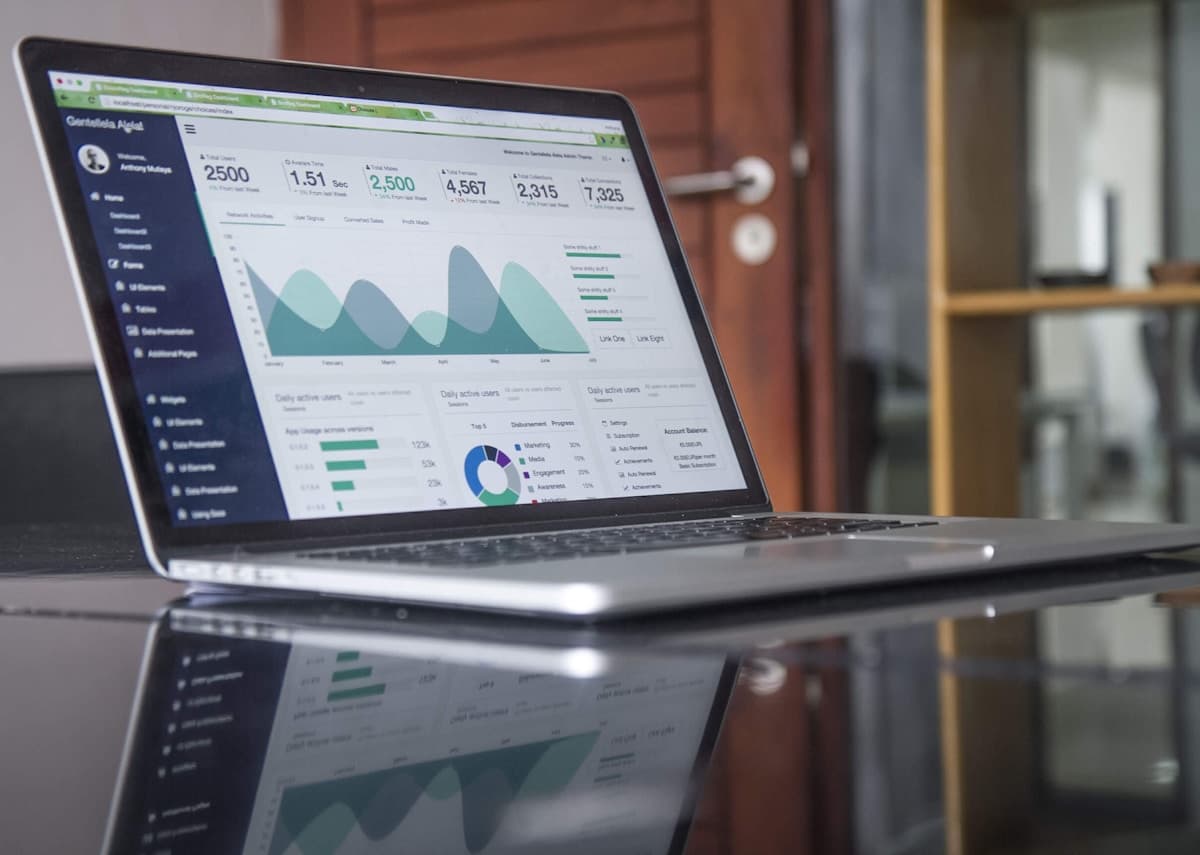
Traditional e-commerce dashboards (Shopify Analytics, GA4, Triple Whale) are powerful, but they are inherently historical. They record data, process it, and display it. This creates Latency. If your payment gateway starts throwing 500 errors at 2:00 PM, you might not notice the dip in conversion until your end-of-day review at 6:00 PM.
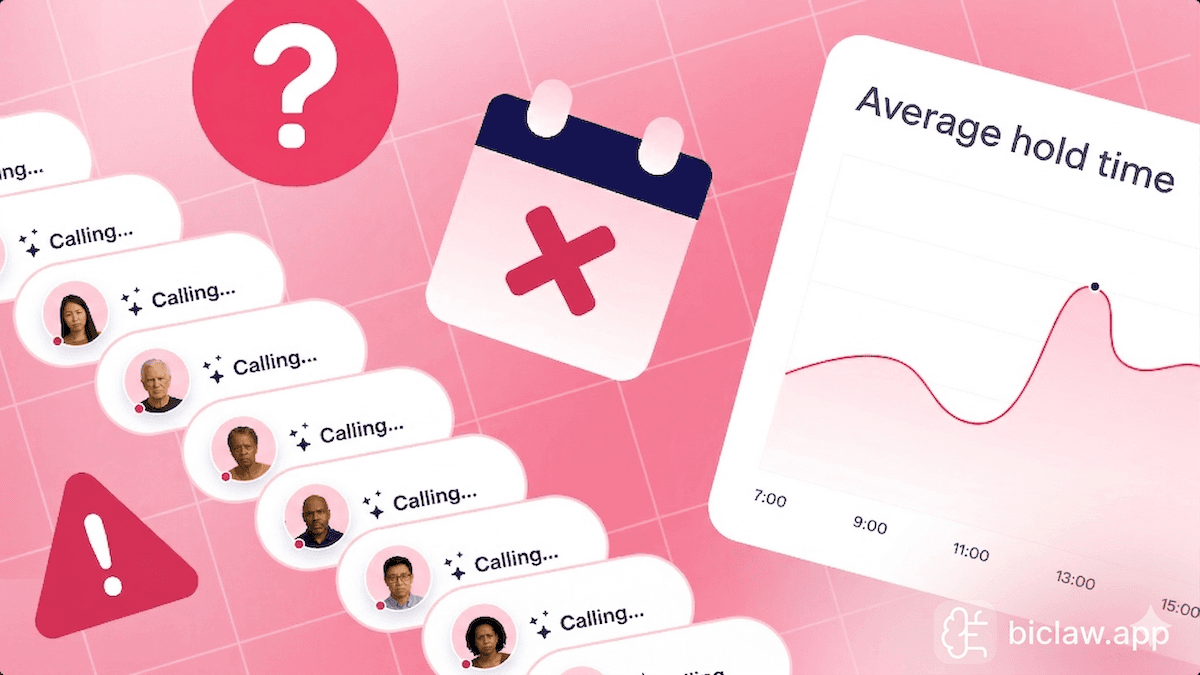
During those four hours, every customer who tried to buy and failed is a "silent leak." Most won’t come back. They’ll assume your site is broken and move to a competitor. In 2026, this reactive posture is a competitive liability.
Why AI Agents are the Solution
An AI agent doesn’t wait for you to log in. It lives in the data stream. By connecting directly to your Shopify and payment gateway APIs, it can identify patterns that deviate from your 7-day or 30-day baseline instantly.
As noted in our guide on Why Your Business Needs a BI-First AI Assistant, the true power of agentic workflows is their ability to reason over multi-source data without human intervention.
Comparison: Traditional Dashboards vs. Proactive AI Agents
| Feature | Traditional SaaS Dashboards | Proactive AI Agents (BiClaw) |
|---|---|---|
| Primary Function | Historical Visualization | Real-Time Monitoring & Action |
| Trigger | Human Login / Scheduled Email | Data Anomaly / Event Hook |
| Context | Single-source (usually) | Multi-source (Shopify + Stripe + Ads) |
| Judgment | Requires Human Analysis | Autonomous Reasoning (within gates) |
| Latency | 1–24 Hours | < 5 Minutes |
| Outcome | "We lost money yesterday" | "We are stopping a leak right now" |
The "Invisible" Payment Leak: A Real-World Threat
One of the most common silent leaks in 2026 is the API Timeout. E-commerce stacks are more complex than ever, involving dozens of third-party apps for loyalty, shipping, and payments. If any of these APIs lag, it can break the checkout flow.
Traditional monitoring might flag that "Conversion Rate is down," but it won’t tell you why. A proactive AI agent, however, can see the specific error logs: "Stripe API timeout on SKU-102 for users in California."
This level of granularity allows you to contact your dev team or the app provider immediately, rather than spending hours digging through GA4 events. This is part of the shift toward Cron-Native Commerce Agents that handle the drudgery of technical monitoring on a clock.
Mini-Case: $4,200 Saved in One Afternoon
Context: "Lume Home," a mid-market Shopify brand (~$450k/mo revenue), was running a major influencer campaign. Traffic was 4x the normal baseline.
The Incident: At 2:14 PM, a legacy shipping app began rate-limiting the Shopify checkout, causing a "Shipping rates not found" error for approx. 15% of visitors.
The Intervention:
- The BiClaw Ops Agent detected that "Checkout Completion Rate" dropped 22% compared to the last 60 minutes of the campaign.
- The agent cross-referenced this with the shipping app’s API response logs and identified the rate-limit error.
- A Telegram alert was sent to the founder at 2:18 PM: "Anomaly detected: Checkout friction high for influencer traffic. Shipping API rate-limit identified. Suggest: Temporary flat-rate shipping override."
The Result:
- The founder clicked "Approve" to launch a flat-rate shipping backup.
- The leak was plugged by 2:25 PM.
- Estimated Recovery: $4,200 in revenue that would have been lost if they had waited for the end-of-day report.
How to Build Your Business "Immune System"
Building a proactive monitoring system doesn’t require a massive engineering team. In 2026, you can deploy a Skills-First AI Assistant that brings its own connectors.
1. Identify Your Critical Signals
Don’t monitor everything. Focus on the "Golden Path" metrics:
- Checkout Initiation vs. Completion Ratio
- Payment Gateway Success Rate
- API Latency for critical apps (Shipping, Tax, Loyalty)
- SKU-level stockouts for high-velocity items
2. Set Your Baselines
An agent needs to know what "normal" looks like. Use your Shopify Analytics to define your 7-day rolling averages for conversion and AOV.
3. Configure Telegram/WhatsApp Gates
Never let an agent make a major change (like overriding shipping rates) without your permission. Use multi-agent systems where one agent monitors and another requests approval via your chat app.
Risks and Governance: Monitoring Safely
Proactive monitoring requires access to sensitive data. In 2026, every business should align with the NIST AI Risk Management Framework.
- Least Privilege: Your monitoring agent should have read access to your logs but no write access to your financial accounts.
- Immutable Logs: Ensure every alert and decision is recorded for your weekly Agent Ops Audit.
- Sandboxed Execution: Run your monitoring agents in a secure environment like OpenClaw on AWS Lightsail.
The ROI of Proactivity
The math is simple: (Revenue Saved from Leaks) - (System Cost) = ROI. If your agent catches just one gateway error a month, it has likely paid for its annual subscription multiple times over.
As noted by McKinsey on GenAI Productivity, the biggest gains in AI adoption come from automating "Knowledge Work" like data analysis and anomaly detection.
Summary: Moving to Autopilot Operations
The "Invisible Leak" is the silent killer of DTC growth. In 2026, you can’t afford to be reactive. By deploying a proactive AI agent that watches your store 24/7, you turn your operations from a source of stress into a source of stability.
Ready to plug the leaks? Start a 7-day free trial of BiClaw at https://biclaw.app and get your first Proactive Monitoring brief by tomorrow morning.
Related Reading
- From SOP to Autopilot: Using AI Agents for Business Workflows
- Why Your Business Needs a BI-First AI Assistant
- How to Automate Your Shopify Morning Brief
- AI Agents for E-commerce: Beyond the Empty Box
Sources: Shopify Merchant Trends 2026 | NIST AI Risk Management Framework