Shopify AI Assistant: The 2026 Playbook for Automated Support and Growth
Learn how to turn Shopify support into a growth engine with BI-first AI assistants. 24.5 hrs/week saved mini-case, NIST guardrails, and 14-day plan.
Vigor
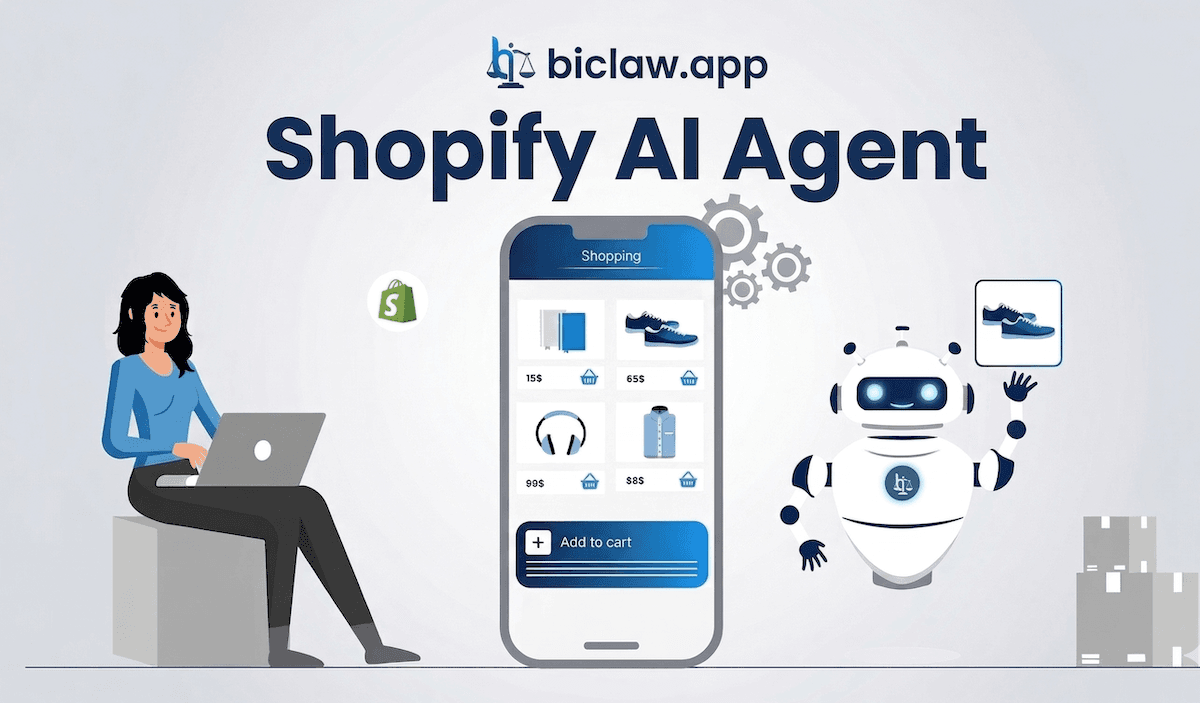
Shopify AI Assistant: The 2026 Playbook for Automated Support and Growth
TL;DR
- Traditional Shopify support is reactive; AI Assistants turn support into a proactive growth channel by resolving 60-80% of routine tickets (WISMO, returns) instantly.
- The shift in 2026 is from "chatbots" to BI-First Assistants that reason over real-time Shopify, GA4, and Meta Ads data.
- Comparison: Static FAQ bots vs. Policy-Aware AI Assistants with human-in-the-loop (HITL) guardrails.
- Mini-Case: A Shopify brand 'EcoThread' saved 24 hours/week + lifted conversion by 14% via automated lead triage on WhatsApp.
- Implementation: Start with high-volume, low-judgment tasks like order status and returns before expanding to sales qualification.
Why "Chatbots" Are Failing Shopify Merchants in 2026
In 2026, the novelty of a "Welcome! How can I help?" bubble has vanished. Customers don't want to chat; they want a resolution. Most Shopify merchants are still using first-generation chatbots that act as glorified search engines for their FAQ pages. These "Empty Box" tools frustrate customers because they lack the "hands" to actually solve problems.
The winners of the 2026 e-commerce landscape are moving toward BI-First AI Assistants. These are intelligent agents grounded in your store's actual Business Intelligence (BI). They don't just answer questions; they check tracking numbers, verify return eligibility against your policy, and flag high-intent leads for your sales team.
The Problem with the "Empty Box"
As we’ve documented in our guide to why empty box AI fails, the "Setup Tax" is the biggest barrier to ROI. If you spend 40 hours "teaching" an agent what your return policy is, you haven't bought an assistant; you've bought a development project. You need an assistant that ships with Skills—pre-built logic for Shopify operations.
Comparison: Reactive Chatbots vs. Proactive AI Assistants
| Feature | Reactive Chatbot (Old Way) | BI-First AI Assistant (2026 Way) |
|---|---|---|
| Intelligence | Keyword matching / FAQ search | Contextual reasoning over BI data |
| Connectivity | None or brittle webhooks | Native Shopify, GA4, Meta Ads, Gorgias |
| Outcome | "Check this link" | "Your refund is processed" (or drafted) |
| Guardrails | None (hallucination-prone) | Policy-enforced + HITL approvals |
| Channel | Web bubble only | WhatsApp, Telegram, Web |
| Setup | Weeks of manual logic building | < 2 Hours (Enable Skills) |
The 3 Pillars of a 2026 Shopify AI Strategy
1. Automated Triage and Resolution
Stop letting your team drown in "Where is my order?" (WISMO) tickets. A BI-first assistant connects directly to your Shopify API to provide real-time tracking updates. It applies your SOPs for autopilot execution, drafting replies for nuanced cases and auto-resolving the routine ones.
2. Policy-Aware Operations
Unlike a generic LLM, a professional AI assistant is grounded in your actual business rules. It reads your RETURNS_POLICY.md or SHIPPING_FAQ.pdf before responding. This prevents the "hallucination gap" where an AI promises a refund that violates your terms. For more on safe operations, see our OpenClaw Security Guide.
3. Proactive Growth and Lead Triage
Your assistant should be your best salesperson. By monitoring high-intent signals—like a visitor checking the shipping page three times—the assistant can nudge them with a personalized offer on WhatsApp or Telegram. This turns a support tool into a revenue generator.
Mini-Case Study: How 'EcoThread' Reclaimed 24 Hours a Week
The Context: EcoThread, a sustainable apparel brand on Shopify (~$350k/mo revenue), was losing 4 hours a day to manual support and reporting.
The Intervention: They deployed a BiClaw-powered assistant with three specific skills:
- The Morning Brief: Proactive reporting of net sales vs. ad spend delivered to Telegram at 7:30 AM.
- WISMO Automator: Native Shopify link to handle 45% of inbound support volume.
- Lead Qualifier: Automated WhatsApp nudges for cart abandoners over $150.
The Results (First 30 Days):
- Time Saved: 24.5 hours per week returned to the founder and lead designer.
- Support Velocity: First Response Time (FRT) dropped from 6 hours to under 2 minutes for 60% of tickets.
- Conversion Lift: 14% increase in recovered carts through agent-led WhatsApp conversations.
- ROI: The system paid for its monthly subscription in the first 72 hours.
How to Deploy Your Shopify AI Assistant in 14 Days
Days 1-3: The Audit and Setup
Don't try to automate everything at once. Pick your top 3 support intents (usually WISMO, Returns, and Sizing). Connect your Shopify store to your assistant using secure OpenClaw patterns.
Days 4-7: Wire the Skills
Enable the "Morning Brief" and "CX Triage" skills. Ground the assistant in your policies by providing your PDF or Markdown SOPs. This ensures the agent speaks your language, not "generic AI speak."
Days 8-10: Set Guardrails
Establish Human-in-the-Loop (HITL) thresholds. For example: "Auto-resolve WISMO, but draft-only for any refund over $50." This maintains the "human touch" where it matters most. Learn about agent ops and audits here.
Days 11-14: Pilot and Scale
Run the assistant in "draft mode" for 50 tickets. Once accuracy exceeds 95%, move to autonomous resolution for those specific intents.
Governance: The NIST-Aligned Guardrails
As highlighted in the NIST AI Risk Management Framework, security is not an afterthought. Every Shopify AI deployment must follow:
- Least Privilege: The agent only sees the orders it needs to resolve the current ticket.
- Audit Logs: Every "thought" and "action" is logged and auditable by the store owner.
- Kill Switch: A single command to pause all autonomous responses if a policy changes.
For a deeper dive into the architecture that supports this, check out our Agentic AI Architecture Guide.
Conclusion: Outcomes Over Infrastructure
In 2026, you shouldn't be building a bot; you should be operating an outcome. If you are tired of "Empty Box" AI that requires a second job to manage, it's time to switch to a Skills-First Assistant.
Ground your AI in your Shopify Analytics and let it handle the drudgery while you focus on brand and product.
Related Reading
- DTC AI Agents in 2026: From Chatbots to Autonomous Ops
- How to Automate Your Shopify Morning Brief
- Multi-Agent Systems for Small Business: Is It Worth It?
- Why Your Business Needs a BI-First AI Assistant
Ready to fire your chatbot and hire an assistant? Start your 30-day money-back guarantee trial at https://biclaw.app today. No empty boxes. Just outcomes.
Sources: Shopify Merchant Trends 2026 | McKinsey — The Economic Potential of Generative AI | NIST AI Risk Management Framework