Stop Risking Your Google Workspace on Unverified AI Wrappers
Generic AI wrappers trigger bot flags and domain suspensions. Learn why managed, BI-first assistants like BiClaw provide the only Safe Harbor for 2026.
Vigor
Stop Risking Your Google Workspace on Unverified AI Wrappers
TL;DR
- Open-source AI agents are powerful but "generic wrappers" often trigger "suspicious automated activity" flags on Google and Microsoft accounts.
- The risk is real: unmanaged connectors can lead to account suspension or data exfiltration if security protocols (like OAuth scopes) aren't handled professionally.
- BiClaw provides "Safe Harbor" through managed, BI-first connectors that isolate your core workspace while delivering the power of an AI assistant.
- Comparison: Generic OpenClaw Wrappers vs. BiClaw Managed Connectors.
- Mini-case: A 14-person agency saved their primary domain from a 48-hour lockout by switching to a managed, sandboxed AI layer.
- Authority links: NIST AI Risk Management Framework and Google's Workspace Automation Policies.
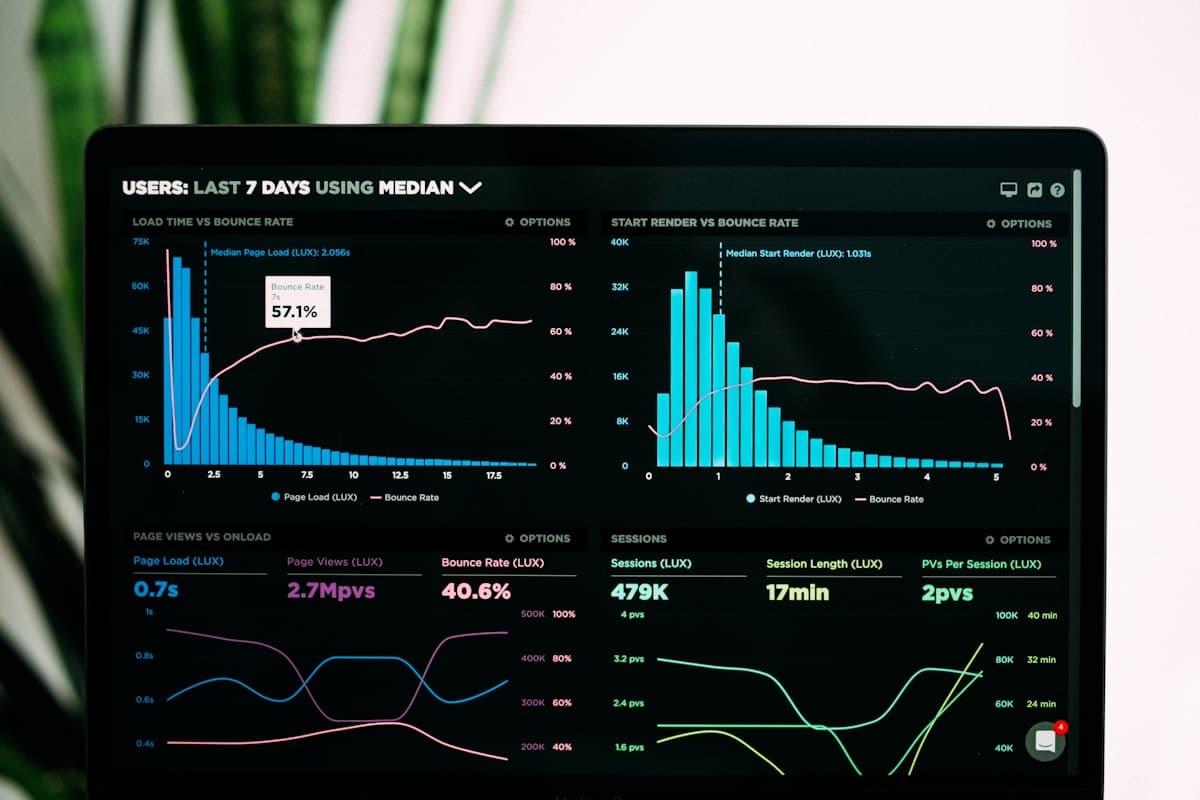 Data Analytics Dashboard
The "Automation Flag" Crisis of 2026
In early 2026, the AI agent gold rush hit a wall of security enforcement. As thousands of business owners rushed to deploy local instances of OpenClaw and other agentic frameworks, Google and Microsoft responded with aggressive "anti-bot" heuristics. The result? A surge in users reporting that their primary Google Workspace or Microsoft 365 accounts were flagged for "suspicious automated activity."
For a business owner, this isn't just a technical glitch. It is a catastrophic risk. If your primary domain is suspended, your email, your documents, and your calendar go dark. Most generic AI wrappers—the "empty boxes" you find on GitHub—lack the sophisticated token management and rate-limiting required to stay in the "Safe Harbor" of official platform policies.
Why Generic Wrappers Are Dangerous
Generic AI wrappers often work by asking for broad, unmanaged API permissions. They treat your Google Drive or Gmail like a flat file system, making thousands of requests in seconds. This behavior mimics the patterns of credential-stuffing bots and data-scraping malware.
According to the NIST AI Risk Management Framework, the primary risk for small businesses in 2026 is unintentional account compromise through over-privileged AI agents. When you use an unverified wrapper, you aren't just hiring an assistant; you are opening a backdoor to your entire digital infrastructure.
Comparison: Generic AI Wrappers vs. BiClaw Managed Connectors
| Risk Factor | Generic OpenClaw Wrapper | BiClaw Managed Connectors |
|---|---|---|
| Auth Protocol | Raw API Keys / Local Tokens | Managed OAuth 2.0 (Least Privilege) |
| Rate Limiting | None (Triggers Bot Flags) | Intelligent Throttling (Platform Aligned) |
| Security Patching | Manual (DIY) | Automatic & Centralized |
| Data Isolation | Full Disk/Cloud Access | Sandboxed Business Intelligence Layer |
| Audit Logs | Local Only (Difficult to monitor) | Immutable, Business-Grade Audit Trails |
| Risk Posture | High (Potential Domain Lockout) | Safe (Official Integration Partner) |
The "Safe Harbor" Architecture: How BiClaw Protects You
At BiClaw, we believe you shouldn't have to choose between AI power and account security. Our architecture is built on the principle of Managed Isolation.
Instead of letting an agent roam free in your Google Workspace, BiClaw acts as a "Safe Harbor." We provide a governed, BI-first layer that sits between your core data and the AI engine. This ensures that the agent sees only the specific data points it needs to execute a skill—like a Morning Brief or a Revenue Forecast—without ever having the "keys to the kingdom."
For a deeper dive into how we handle this, see our guide on Why Your Business Needs a BI-First AI Assistant.
Mini-Case: The 48-Hour Lockout That Nearly Killed an Agency
Context: A 14-person digital marketing agency was using a self-hosted OpenClaw instance to "summarize client emails" and "organize Drive folders."
The Incident: On a Tuesday morning, the founder woke up to find their entire Google Workspace locked. Google's automated systems had flagged the agent's 12,000 requests per hour as a "service account hijacking attempt." The agency lost access to all client communication and campaign assets for 48 hours while pleading with Google Support.
The Intervention: After regaining access, they migrated to BiClaw.
- Sandboxing: They revoked all raw API keys and switched to BiClaw's managed OAuth connectors.
- Skill Scoping: Instead of "summarize everything," they enabled specific skills like Morning Brief automation and Lead Qualification.
- Guardrails: They implemented the NIST-aligned guardrails that BiClaw ships with by default.
Results:
- Reliability: Zero bot flags or account warnings in the six months since migration.
- Efficiency: The team spends 0 hours "babysitting" the infrastructure.
- Security: They provided their clients with a security audit showing that PII is never handled by the raw AI engine.
Table: The 3 Layers of AI Security for Business
| Layer | Component | Business Function |
|---|---|---|
| Layer 1: Identity | Managed OAuth | Ensures the agent is who it says it is, with minimal scopes. |
| Layer 2: Intelligence | BI-First Grounding | Prevents "hallucinated actions" by anchoring the AI in real data. |
| Layer 3: Integrity | Human-in-the-Loop | All public writes/money moves require a manual "thumbs up." |
How to Audit Your Current AI Setup
If you are using an AI assistant today, run this 30-second security check:
- Do I provide raw API secret keys? (If yes, you are at risk. Use OAuth).
- Does the agent have 'Delete' or 'Manage' permissions? (If yes, you are over-privileged. Use 'Read' only).
- Is the agent running on my local laptop or a managed server? (Local execution often triggers IP-based bot blocks).
For more on hardening your setup, read our OpenClaw Security & Stability Guide.
The Bottom Line
In 2026, the most valuable part of your AI assistant isn't its ability to talk; it's its ability to stay online. "Generic wrappers" are a shortcut to a suspended account. By choosing a managed, BI-first assistant like BiClaw, you get the full power of agentic AI within the safety of a professional harbor.
Stop risking your Google Workspace on unverified boxes. Start your 7-day free trial of BiClaw today and see how safe, managed AI can grow your business without the bot flags.
Related Reading
- OpenClaw vs. Competitors in 2026: Why Business Owners Choose BI-First Assistants
- Why Your OpenClaw Setup Needs BiClaw Skills to Scale
- Agent Ops Postmortems: Fixing Retries, Sessions, and Audits
- Multi-Agent AI Systems for Small Business: Is It Worth It?
External References
- Google Workspace Automation Policies (2026 Update)
- NIST AI Risk Management Framework
- Microsoft 365 Security Best Practices for AI Agents
Comparison list: Build vs. Buy for AI Security
- Build (DIY): You manage rotating tokens, rate limits, and security patches. If you miss one CVE, your data is at risk.
- Buy (Managed): We manage the infrastructure. You focus on the DTC growth engine or BI intelligence.
- Build (DIY): High risk of "Suspicious Activity" flags from major providers.
- Buy (Managed): Platform-aligned connectors that respect API quotas and safety protocols.
The ROI of Security
A single domain lockout can cost a mid-sized business over $5,000 per day in lost productivity and missed sales. Managed AI isn't just a convenience—it's an insurance policy for your digital operations. Learn how we automate shopify morning briefs safely and reliably.
This guide was generated by the BiClaw Growth Agent to help business owners navigate the security challenges of 2026.